



Muscle Is Your Midlife Insurance Policy
For decades, many women have been taught that the number on the scale is the ultimate measure of health and success.
Lose weight.
Get smaller.
Eat less.
But once we reach our 40s and beyond, it's time to shift the conversation.
The number that deserves far more attention isn't your body weight—it's your muscle mass.
Beginning around age 30, we naturally start losing muscle in a process called age-related muscle loss (sarcopenia). During perimenopause and menopause, hormonal changes can accelerate this decline, making it easier to lose muscle and harder to maintain strength if we don't actively work against it.
This is exactly why strength training becomes one of the most powerful investments you can make in your long-term health.
Muscle does far more than shape your body.
It keeps your metabolism working efficiently, supports healthy blood sugar regulation, strengthens bones, protects your joints, improves balance, and reduces the risk of falls as you age. It also plays a major role in maintaining independence—allowing you to continue doing the everyday activities that make life enjoyable.
Think about the life you want ten or twenty years from now.
You probably aren't dreaming about fitting into a certain pair of jeans.
You're imagining hiking with your family, traveling without limitations, carrying groceries without discomfort, playing with your grandchildren, gardening, lifting luggage, or simply getting up from the floor with confidence.
Those goals aren't built by chasing a lower number on the scale.
They're built by building strength.
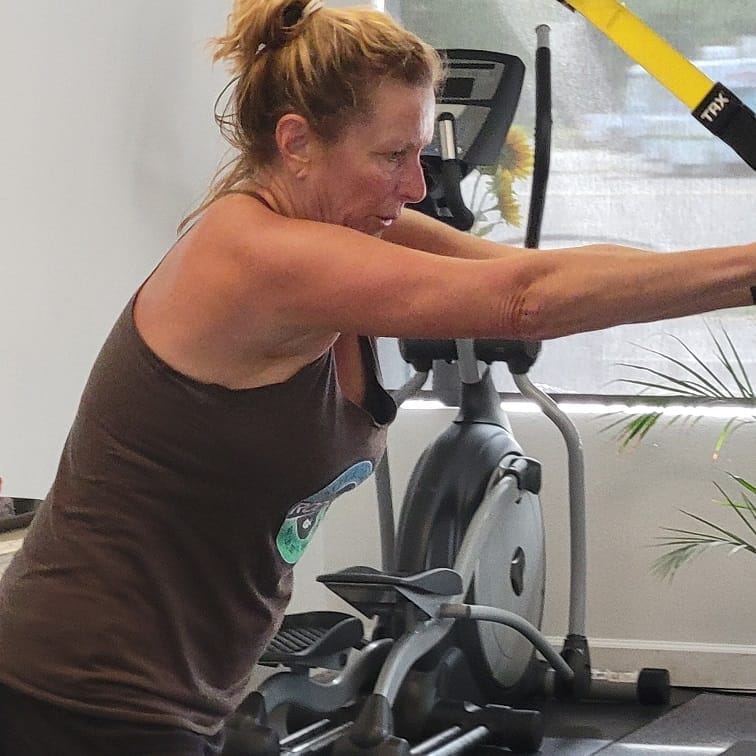
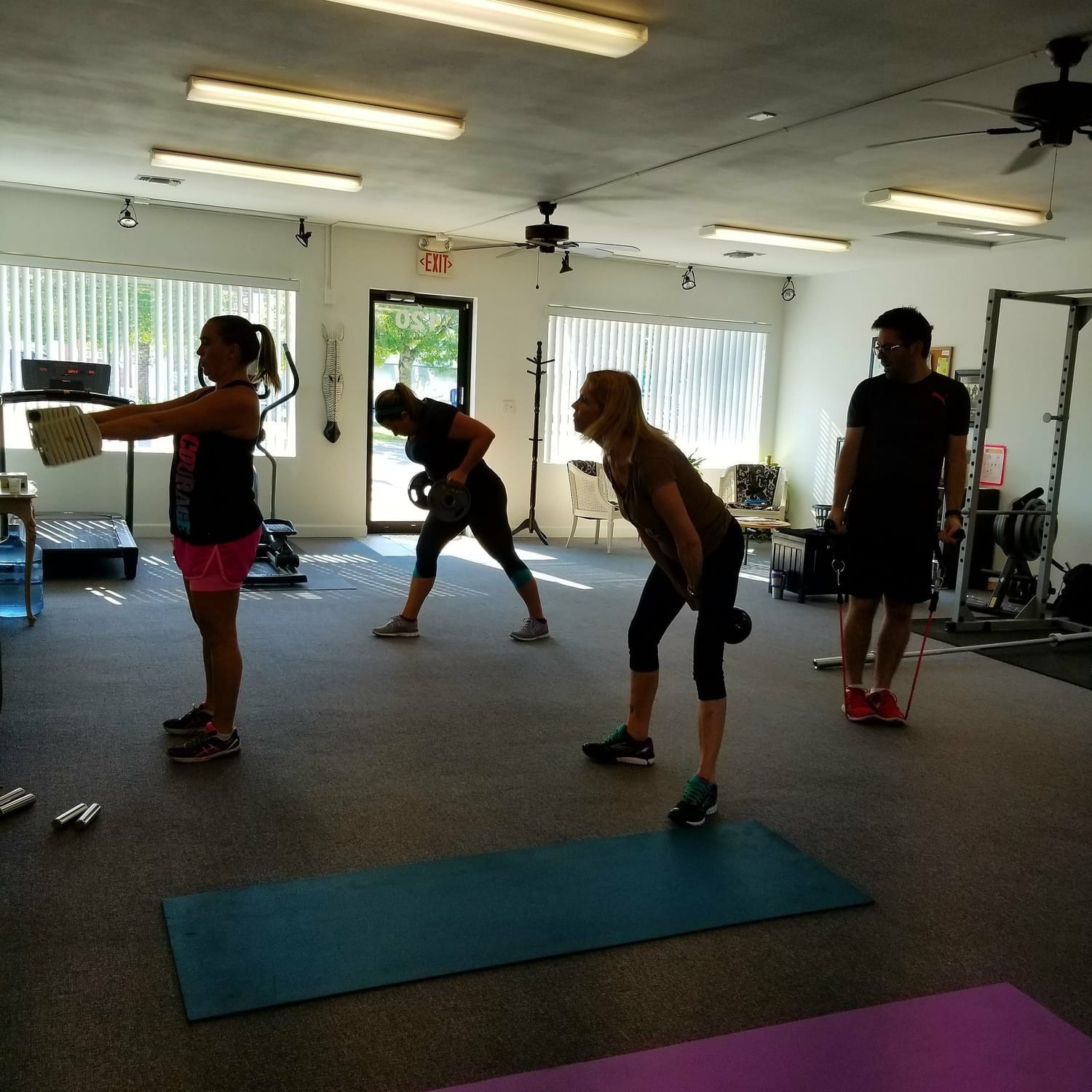
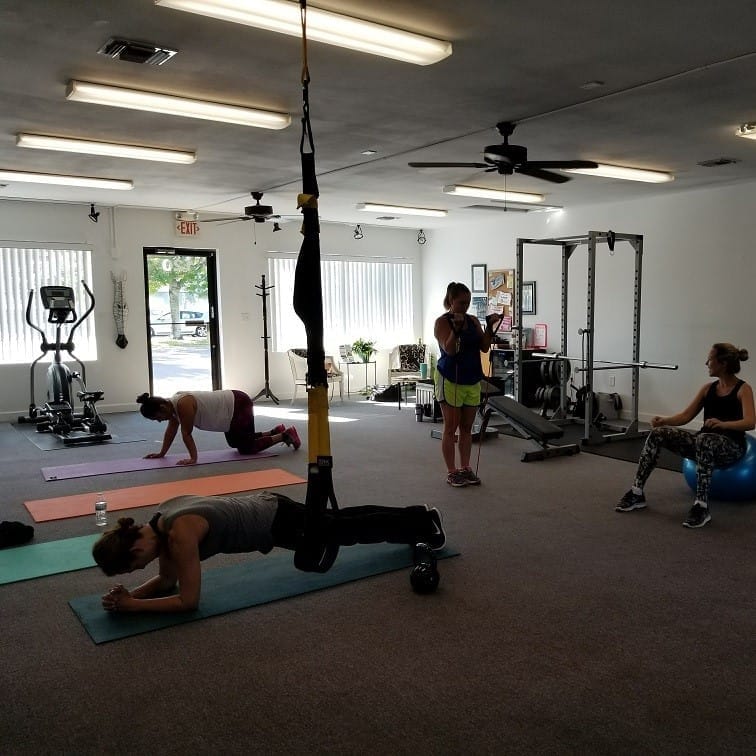
At Hands On Fitness, we encourage our members to stop viewing exercise as a way to simply burn calories. Instead, we view every workout as an opportunity to invest in the future.
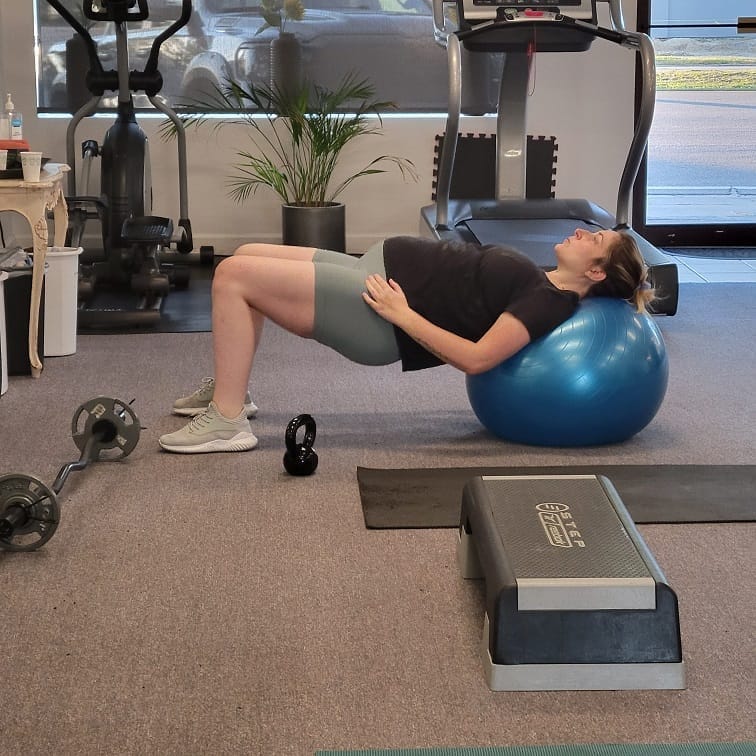
Every squat strengthens your legs for climbing stairs.
Every row helps you carry everyday loads with ease.
Every push, pull, lift, and step is preparing your body for the life you want to keep living.
Strength doesn't just change your body.
It changes how you move through the world.
It gives you the confidence to try new things, the resilience to recover from setbacks, and the freedom to say "yes" to experiences instead of worrying whether your body can handle them.
So instead of asking yourself:
"How much weight did I lose?"
"How much smaller am I?"
Try asking better questions:
Am I getting stronger?
Do I have more energy than I did three months ago?
Are everyday activities becoming easier?
Am I moving with more confidence?
Do I feel more capable in my own body?
Those are the victories that truly matter.
The scale can only tell you how much you weigh.
Your strength tells you how well you'll live.
Every workout is a deposit into your future self—and like any worthwhile investment, the returns grow over time.
The goal isn't simply to weigh less. The goal is to build a body that's strong enough to support the life you want to live for decades to come.